Blog
Notes on live galleries, switching, streaming and crew habits, written by the people who run them.
We publish about one article a day on how live productions are planned and run. Topics include gallery layout, rehearsal routines, streaming set-up and training new operators.
-
 Remote production ·
Planning a Remote Production So a Small Crew Can Cover Several Sites
A practical walk through setting up remote contribution and monitoring, from the first site visit to the last check before going live, written for small crews working across locations.
Continue reading → -
 Control rooms ·
Before You Commit to a Control Room Fit-Out: A Checklist
Helen Marsden sets out the questions worth answering on paper before any gallery is designed or built: productions, space, signal flow, crew and the order of works.
Continue reading → -
 Live graphics ·
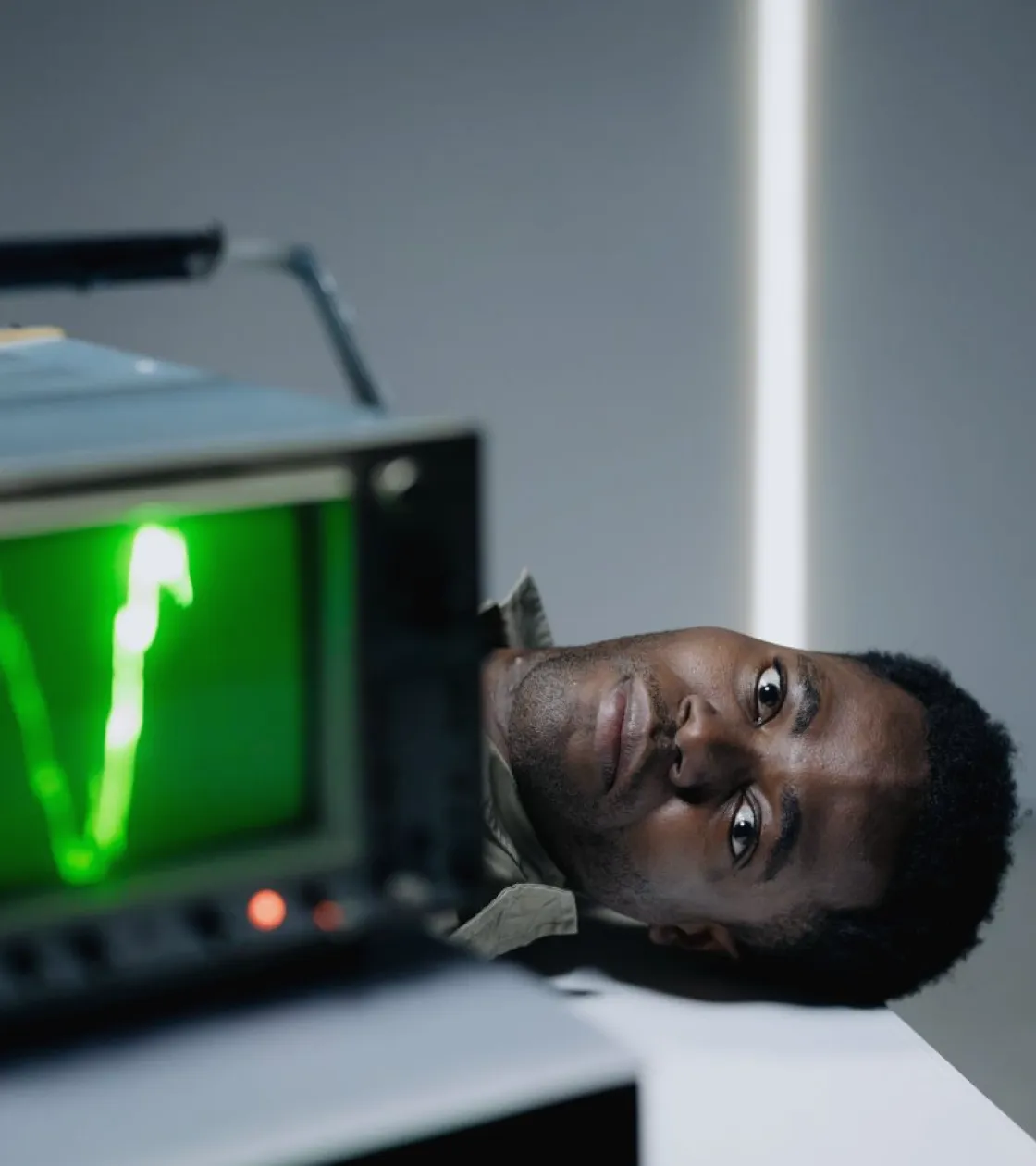
Real-time graphics and playout: six slips that catch out live crews
Lower thirds with the wrong name, replays cued late, a playout list nobody has read twice. Daniel Whitaker walks through the common graphics and playout mistakes and the habits that prevent them.
Continue reading → -
 Pricing ·
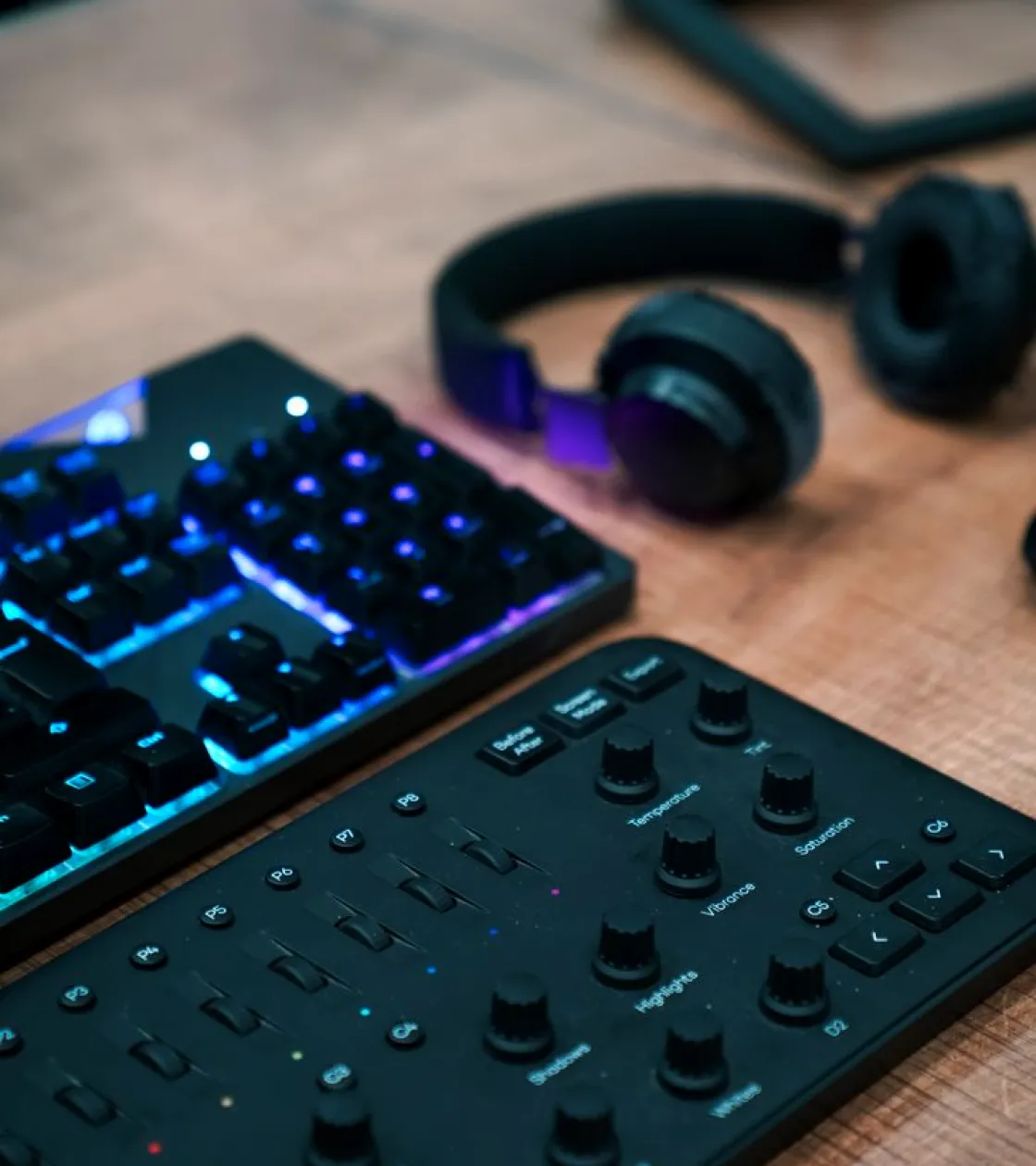
What Multi-Camera Vision Switching Costs and What Moves the Price
A plain look at how vision switching is priced for studio shows, events and streamed talks, and which parts of a booking raise or lower the figure.
Continue reading → -
 Case story ·
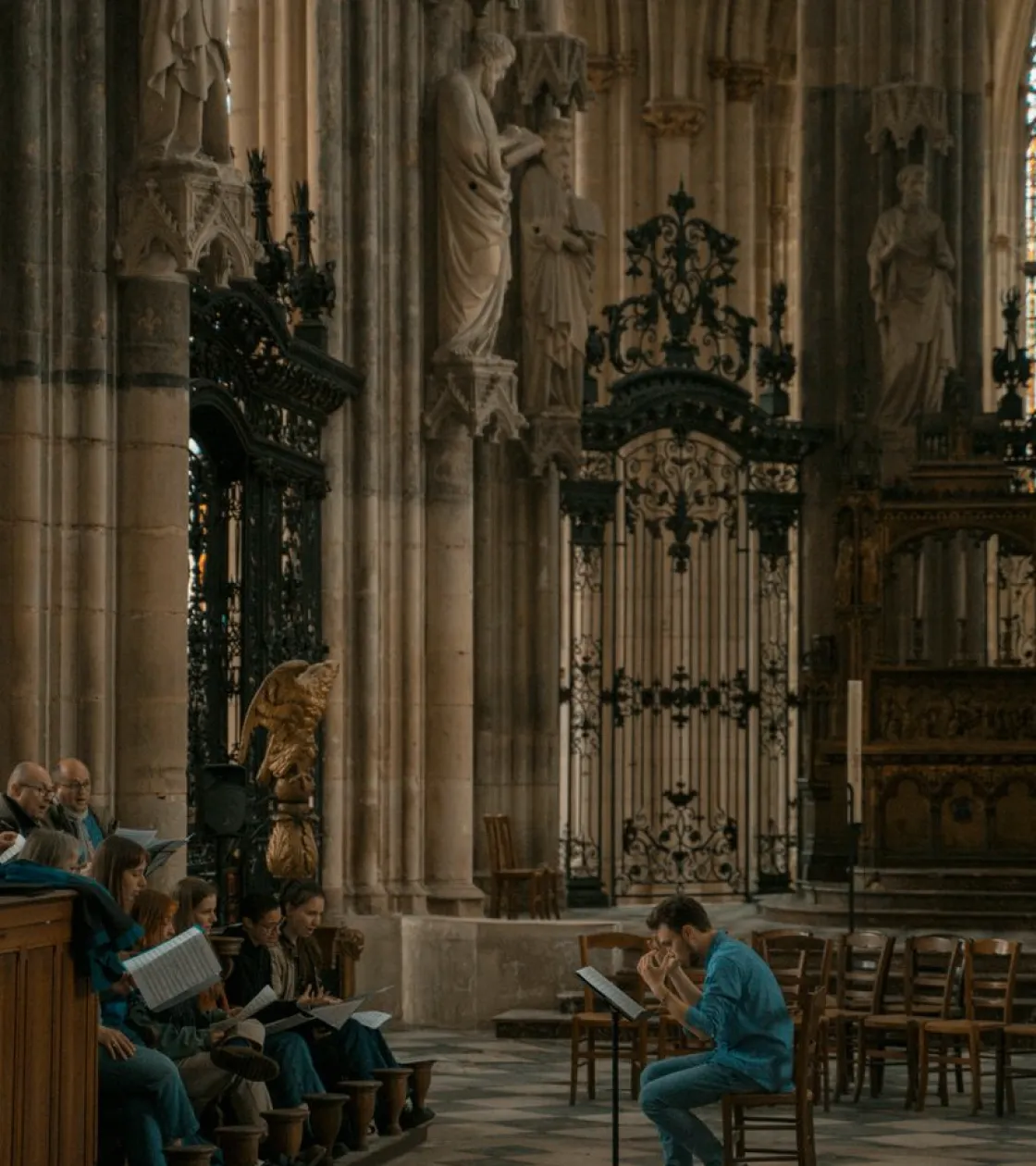
A Church Choir Concert, Three Cameras and a Stream That Held
Helen Marsden describes how a small church choir in the north-west took its autumn concert online, and what the planning, the link checks and the rehearsal taught everyone involved.
Continue reading → -
 Crew training ·
Preparing your gallery crew for the busy months ahead
Autumn is when new seasons of studio shows begin. Helen Marsden explains how to plan hands-on crew training now, so operators and directors are steady before the schedule fills up.
Continue reading → -
 Remote production ·
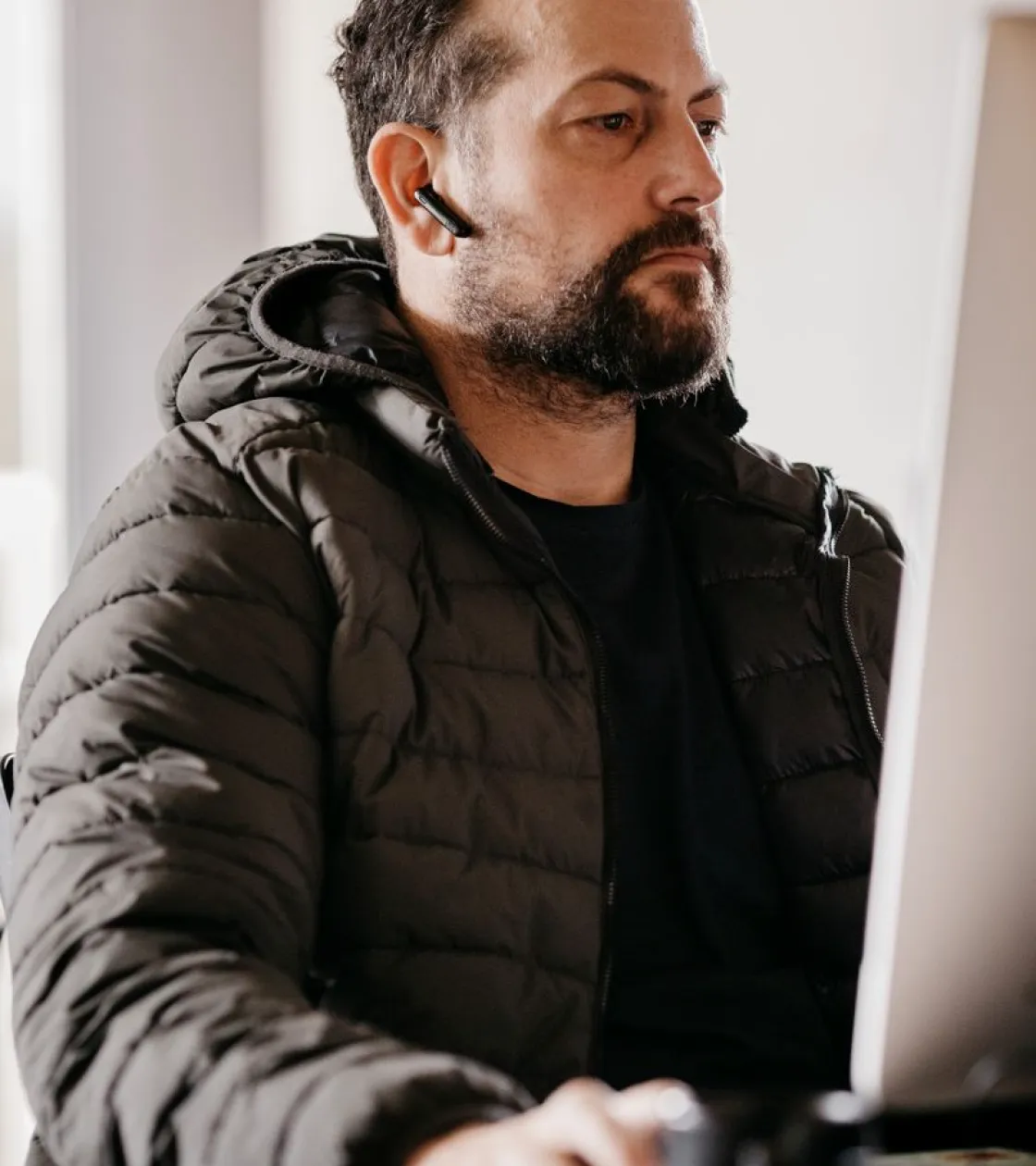
Return Feed and Talkback: Two Remote Production Terms Explained
When a show is produced from several sites, two phrases come up in every planning call. Priya Nair explains return feed and talkback in plain words, and why they matter to a small crew.
Continue reading → -
 Control rooms ·
Rebuild the Gallery or Refit It? Two Routes for an Ageing Control Room
Priya Nair compares a full gallery rebuild with a staged refit, sets out what each costs in disruption and flexibility, and says which she recommends for most small broadcasters this autumn.
Continue reading → -
 Behind the scenes ·
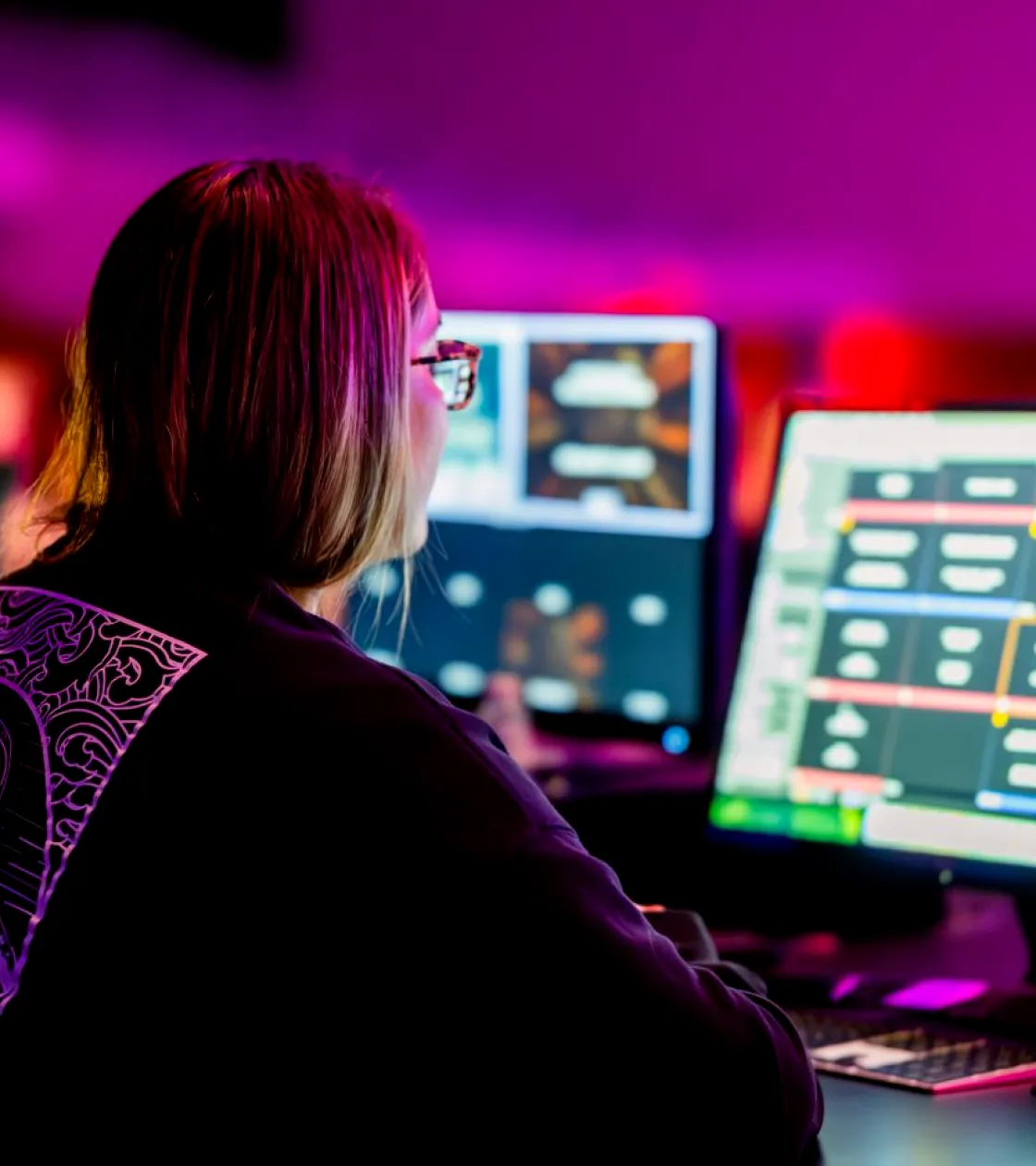
Behind the desk: how lower thirds and playout are run live
A look at how our graphics and playout operator prepares, cues and runs a live show, from the rundown to the last clip, and what keeps it steady.
Continue reading → -
 Vision switching ·
How many cameras can one vision mixer realistically cut at once?
The question we hear most before a booking: how many cameras is too many for one person on the switcher, and what changes the answer when a show moves from rehearsal to air.
Continue reading → -
 Company news ·
How we run a live stream from first encoder test to final cut
A plain account of how our live streaming production now works for clients: the encoding chain, the graphics, and the delivery checks we run before any show goes to its platforms.
Continue reading → -
 Training ·
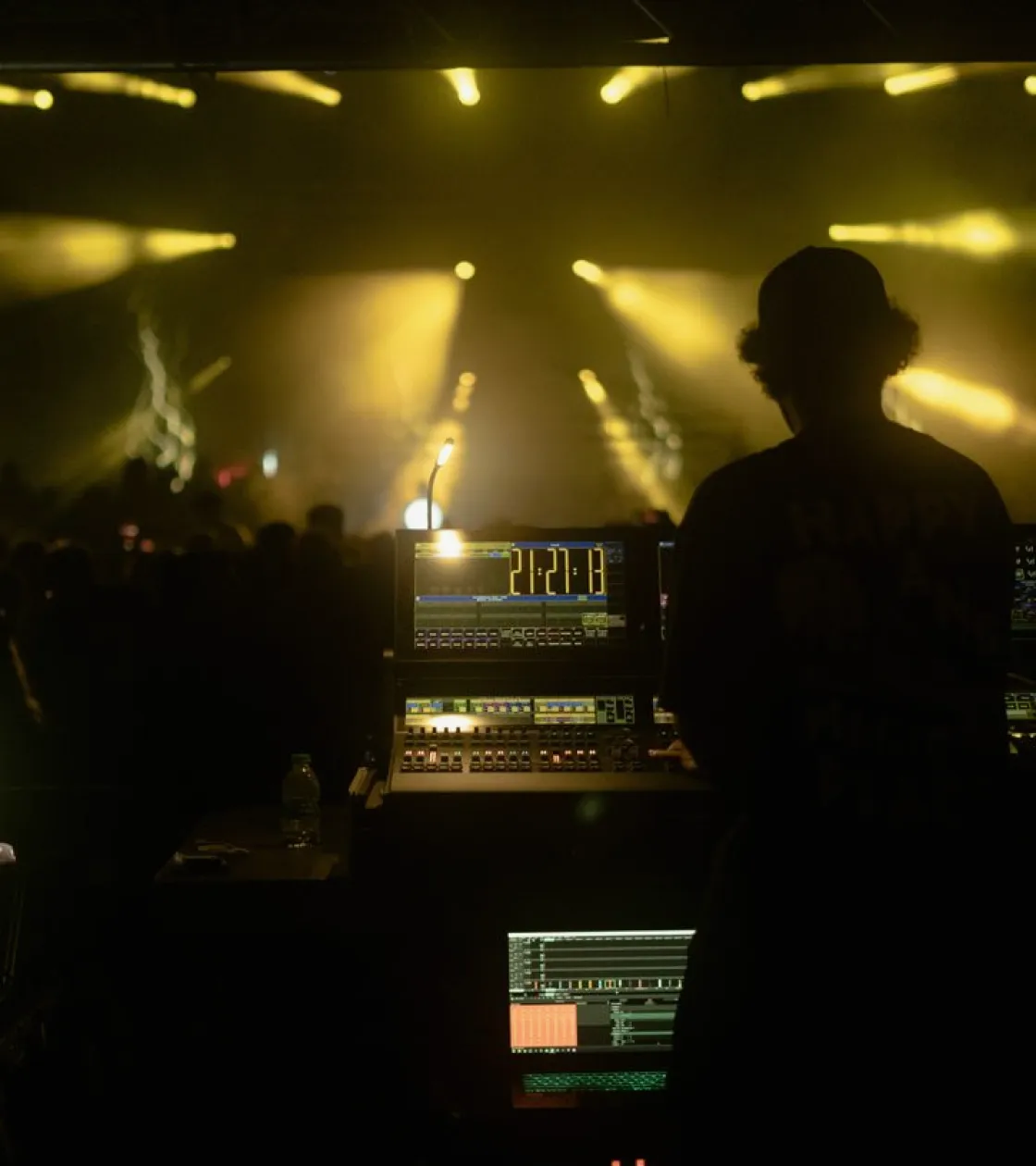
What we put in front of a trainee on their first day in the gallery
A look at the tools and teaching methods behind our workshops: dummy shows, printed run sheets, talkback drills and recorded playback, and why we prefer them to slides.
Continue reading → -
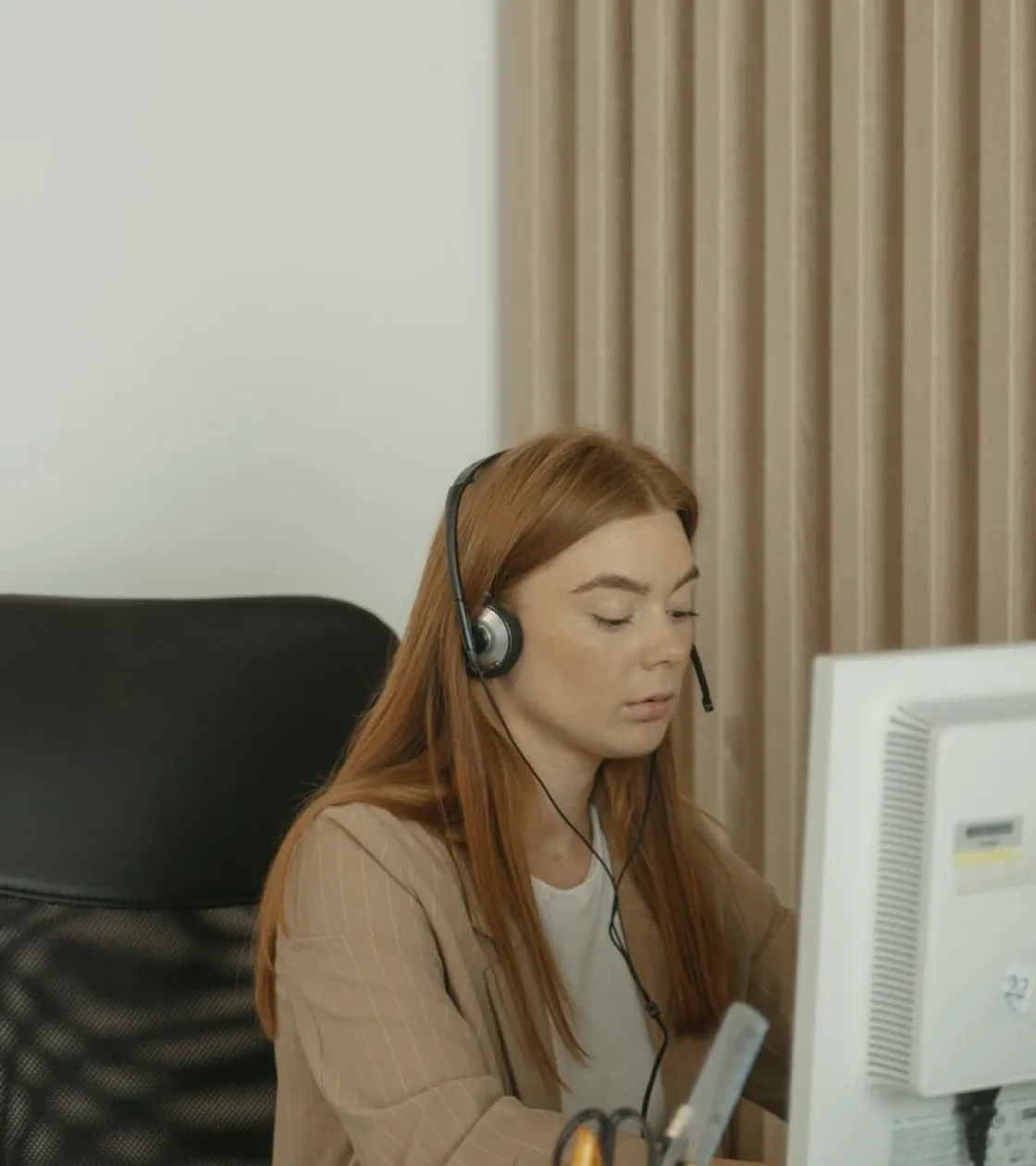 Remote production ·
Remote production support: a checklist to work through before you decide
Before committing to a show produced from several locations, run through these questions on links, monitoring, roles and fallbacks, so a small crew knows exactly what it is taking on.
Continue reading → -
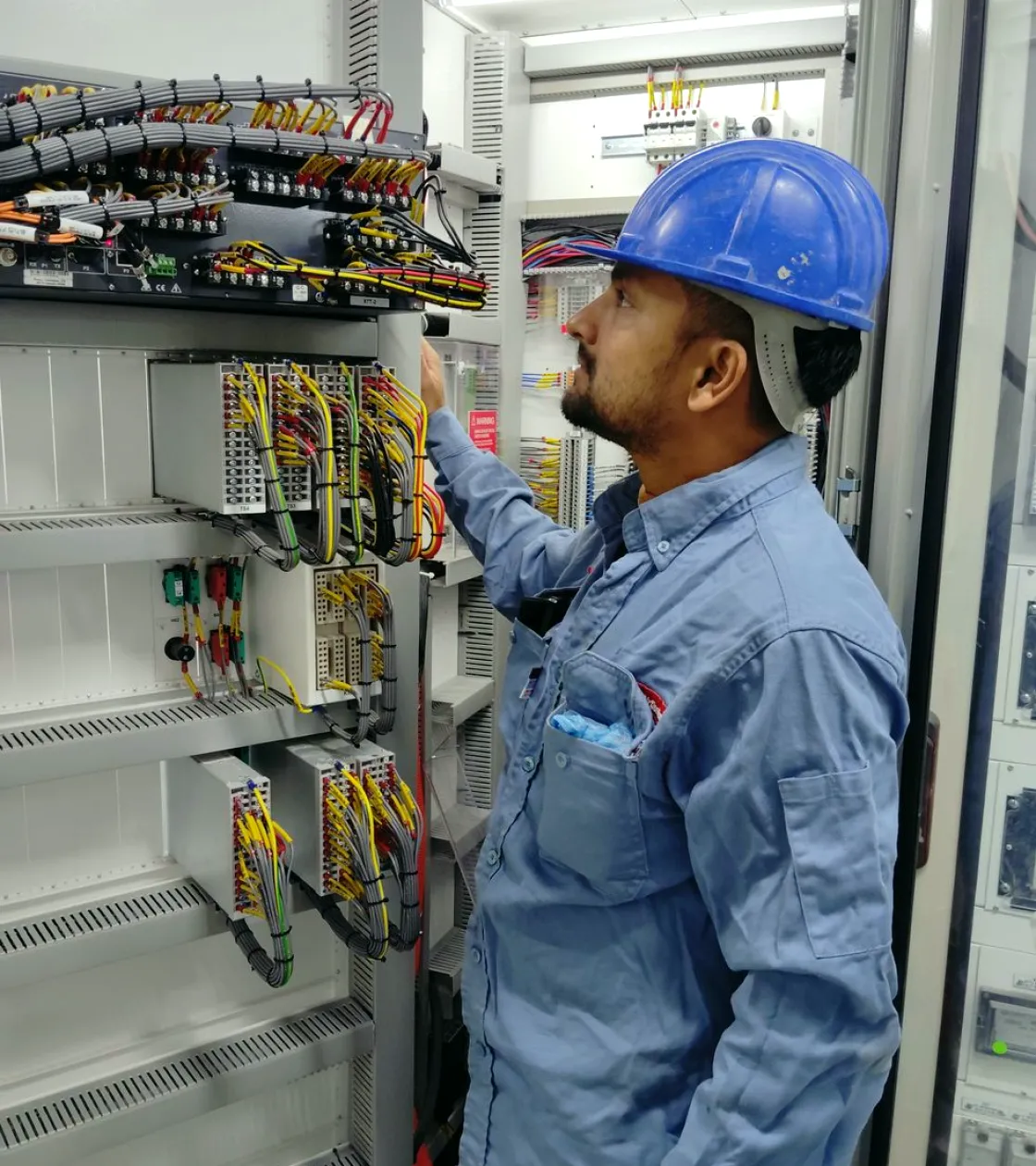 Control rooms ·
Gallery fit-out mistakes we see often, and how to avoid them
Priya Nair walks through the errors that most often cause trouble when a control room is planned and built, from monitor placement to cable labelling, and the habits that prevent them.
Continue reading → -
 Costs ·
What live graphics and playout cost, and what moves the price
A plain look at how we price real-time graphics and playout for live shows, what the figure covers, and which choices about your programme make the cost rise or fall.
Continue reading → -
 Customer case ·
A quiet gallery for Marcus: cutting a four-camera panel show
A short account of one customer, Marcus, who ran a streamed panel series and what changed once a rehearsed vision mixer and a clear camera plan took over the cutting.
Continue reading →