Our work
A look at the rooms, desks and shows we work in, shown through the steps and settings of each kind of job.
The details behind a calm live show
These scenes show the settings and steps involved in our work, from the first rack plan to the last minutes before going live. Each caption describes what happens at that stage.

Cutting a studio show on the vision mixer
The vision mixer follows the director's calls, cutting between cameras while watching the preview monitor. Rehearsed cues and short, clear instructions keep the cuts timely and the gallery quiet.
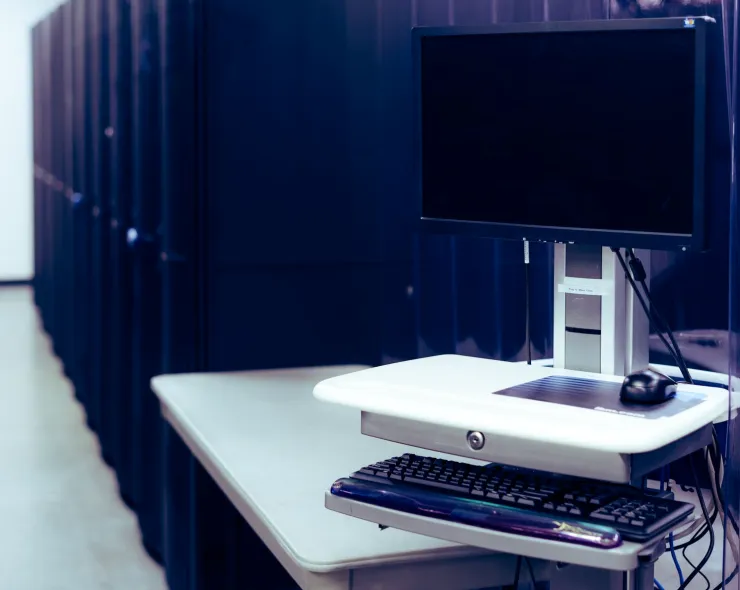
Monitor wall and gallery layout
Monitors are grouped so each operator sees what they need without turning. We plan sight lines and desk positions on paper first, then check them in the room before anything is fixed down.
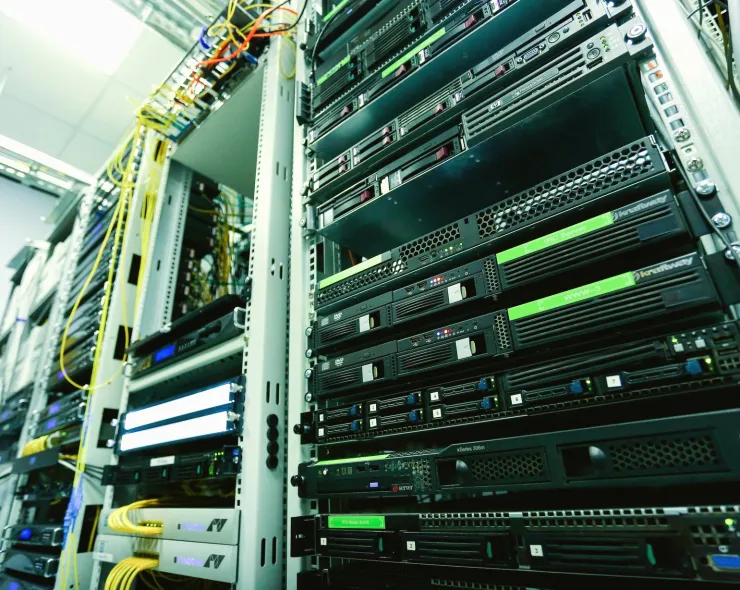
Racks and signal routing
Cabling is labelled at both ends and the routing is documented, so a new engineer can trace any signal. Tidy racks make faults quicker to find on a busy show day.
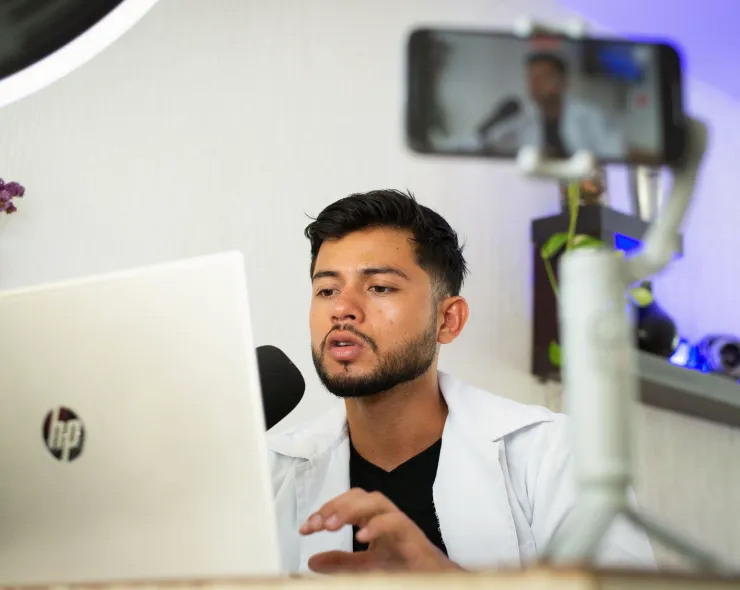
Streaming set-up with encoder and cameras
For a streamed talk, we set up cameras, an encoder and a monitored link to the platform. A backup path is prepared where the venue's connection is uncertain.
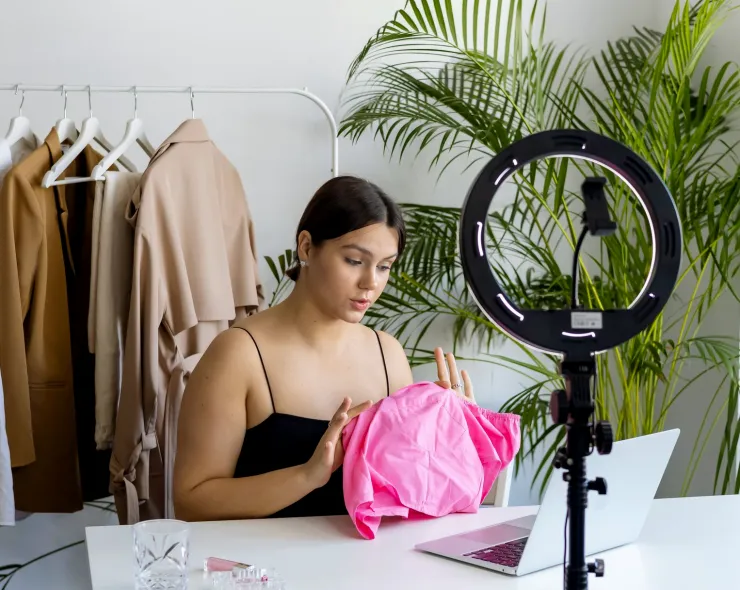
Graphics and playout at the desk
A graphics operator prepares lower thirds and clips ahead of time and fires them on cue. Names and captions are checked against the run order before doors open.
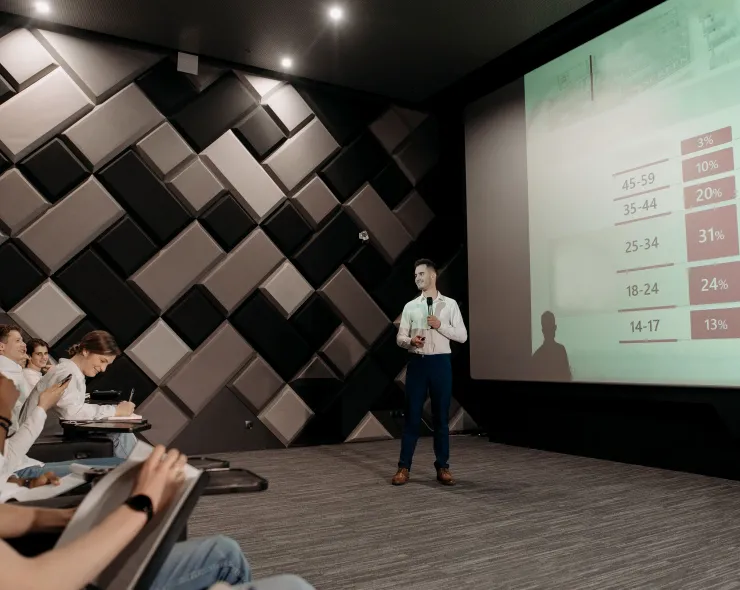
Workshop for new gallery crews
Trainees work through a real run order on the equipment, taking turns in each seat. They learn the talkback language and what each role expects from the others.
The kinds of organisations we work with
- Regional broadcasters
- Online news channels
- Production companies
- Event organisers
- Conference teams
- Community media groups